Work life balance
Work life balance
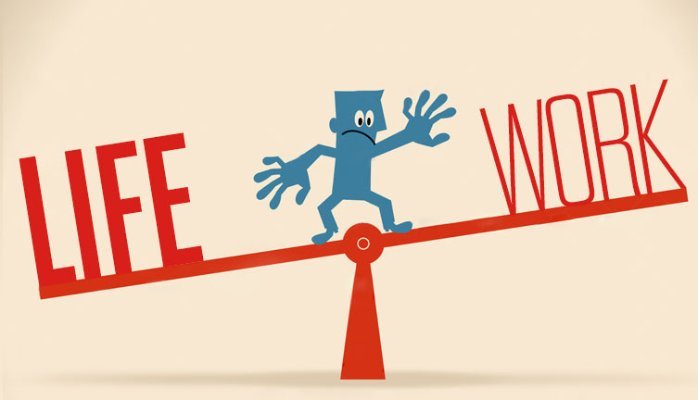
Work-life balance can be defined as an individual’s ability to meet his work and family commitments, as well as other non-work responsibilities and activities. Work life balance, in addition to the relations between work and family functions, also involves other aspects of life. Work-life balance has been defined differently by many scholars. In order to broaden our perspectives, some definitions will be presented.
Greenhaus (2002) defined work –life balance as satisfaction and good functioning at work and at home with a minimum of role conflict.
Felstead et al. (2002) defines work-life balance as the relationship between the institutional and
cultural times and spaces of work and non-work in societies where income is predominantly generated
and distributed through labor markets.
Scholars defined life balance as achieving the demands satisfactorily in the three basic areas of
life; namely, work, family and private. Work demands work hours, work intensity and
proportion of working hours spent in work. Additional work hours subtract from home time, while high work intensity or work pressure may result in fatigue, anxiety or other adverse physiological and physical consequences that affect the quality of home and family life (White et al., 2003).
Since any human being, no matter to what social strata he may belong to has a very limited time to cope up with personal commitments and work related tasks.Due to fierce competition in contemporary business world and economic conditions one has to put a lot of efforts to survive and succeed in their respective jobs or businesses.Work load and work pressure has increased tremendously during the recent past and employees and entrepreneurs alike are under going a very tough time in order to survive and perform.
Under these circumstances it is very crucial to maintain a good work life balance to overcome the challenges faced by any individual.
Employees’ work–life balance priorities are considered to fall within three general categories: working time arrangements (total working hours and flexibility); and, for those with parenting or other care responsibilities, parental leave entitlements (maternity, paternity, parental and carers); and childcare (subsidies or direct provision) (McDonald et al., 2005; Thornthwaite, 2004). Where these needs are met through organizational work–life programmes, employees are found to have increased organizational commitment and job satisfaction.According to McDonald et al.(2005) A greater sense of control over their own work schedules leads to improved mental health. Further, work–life programmes that allow employees to have a greater involvement at home appear to be linked to employee wellbeing (Greenhaus et al., 2003) for men as well as women (Burke, 2000).There are number of ways an organisation can benifit including reduced absenteeism and better integration of women returners after maternity (McDonald et al., 2005). Work–life balance measures can present opportunities for organizations to learn new ways of working (Lee et al., 2000;Lewis and Cooper, 2005).
Reference
Felstead, A., Jewson, N., Phizacklea, A. and Walters, S. (2002) Opportunities to work
at home in the context of work–life balance. Human Resource Management Journal,
12,1, 54–76
Greenhaus JH, Collins KM and Shaw JD (2002)The relation between work-family balance and
quality of life. Journal of Vocational Behavior 63
McDonald, P., Brown, K. and Bradley, L. (2005) Explanations for the provision‐utilisation gap in work–life policy. Women in Management Review, 20,1, 37–55.
Greenhaus, J.H. and Singh, R. (2003) Work–family linkages, A Sloan work and family encyclopedia entry Available online at http://wfnetwork.bc.edu/encyclopaedia_entry.php?id=263&area=All Last consulted 1 October 2008.
Burke, R.J. (2004) Work and family integration. Equal Opportunities International, 23, 1–2, 1–5.
McDonald, P., Brown, K. and Bradley, L. (2005) Explanations for the provision‐utilisation gap in work–life policy. Women in Management Review, 20,1, 37–55.
Work-life balance can be defined as an individual’s ability to meet his work and family commitments, as well as other non-work responsibilities and activities. Work life balance, in addition to the relations between work and family functions, also involves other aspects of life. Work-life balance has been defined differently by many scholars. In order to broaden our perspectives, some definitions will be presented.
Greenhaus (2002) defined work –life balance as satisfaction and good functioning at work and at home with a minimum of role conflict.
Felstead et al. (2002) defines work-life balance as the relationship between the institutional and
cultural times and spaces of work and non-work in societies where income is predominantly generated
and distributed through labor markets.
Scholars defined life balance as achieving the demands satisfactorily in the three basic areas of
life; namely, work, family and private. Work demands work hours, work intensity and
proportion of working hours spent in work. Additional work hours subtract from home time, while high work intensity or work pressure may result in fatigue, anxiety or other adverse physiological and physical consequences that affect the quality of home and family life (White et al., 2003).
Since any human being, no matter to what social strata he may belong to has a very limited time to cope up with personal commitments and work related tasks.Due to fierce competition in contemporary business world and economic conditions one has to put a lot of efforts to survive and succeed in their respective jobs or businesses.Work load and work pressure has increased tremendously during the recent past and employees and entrepreneurs alike are under going a very tough time in order to survive and perform.
Under these circumstances it is very crucial to maintain a good work life balance to overcome the challenges faced by any individual.
Employees’ work–life balance priorities are considered to fall within three general categories: working time arrangements (total working hours and flexibility); and, for those with parenting or other care responsibilities, parental leave entitlements (maternity, paternity, parental and carers); and childcare (subsidies or direct provision) (McDonald et al., 2005; Thornthwaite, 2004). Where these needs are met through organizational work–life programmes, employees are found to have increased organizational commitment and job satisfaction.According to McDonald et al.(2005) A greater sense of control over their own work schedules leads to improved mental health. Further, work–life programmes that allow employees to have a greater involvement at home appear to be linked to employee wellbeing (Greenhaus et al., 2003) for men as well as women (Burke, 2000).There are number of ways an organisation can benifit including reduced absenteeism and better integration of women returners after maternity (McDonald et al., 2005). Work–life balance measures can present opportunities for organizations to learn new ways of working (Lee et al., 2000;Lewis and Cooper, 2005).
Reference
Felstead, A., Jewson, N., Phizacklea, A. and Walters, S. (2002) Opportunities to work
at home in the context of work–life balance. Human Resource Management Journal,
12,1, 54–76
Greenhaus JH, Collins KM and Shaw JD (2002)The relation between work-family balance and
quality of life. Journal of Vocational Behavior 63
McDonald, P., Brown, K. and Bradley, L. (2005) Explanations for the provision‐utilisation gap in work–life policy. Women in Management Review, 20,1, 37–55.
Greenhaus, J.H. and Singh, R. (2003) Work–family linkages, A Sloan work and family encyclopedia entry Available online at http://wfnetwork.bc.edu/encyclopaedia_entry.php?id=263&area=All Last consulted 1 October 2008.
Burke, R.J. (2004) Work and family integration. Equal Opportunities International, 23, 1–2, 1–5.
McDonald, P., Brown, K. and Bradley, L. (2005) Explanations for the provision‐utilisation gap in work–life policy. Women in Management Review, 20,1, 37–55.

An interesting topic discusses nicely. Good Luck
ReplyDeleteGood topic in HRM. well done
ReplyDeleteWell explained article and good content.
ReplyDeleteGood job very recent referencess.
ReplyDeleteDifferent topic blogged nively. Good job.
ReplyDelete